
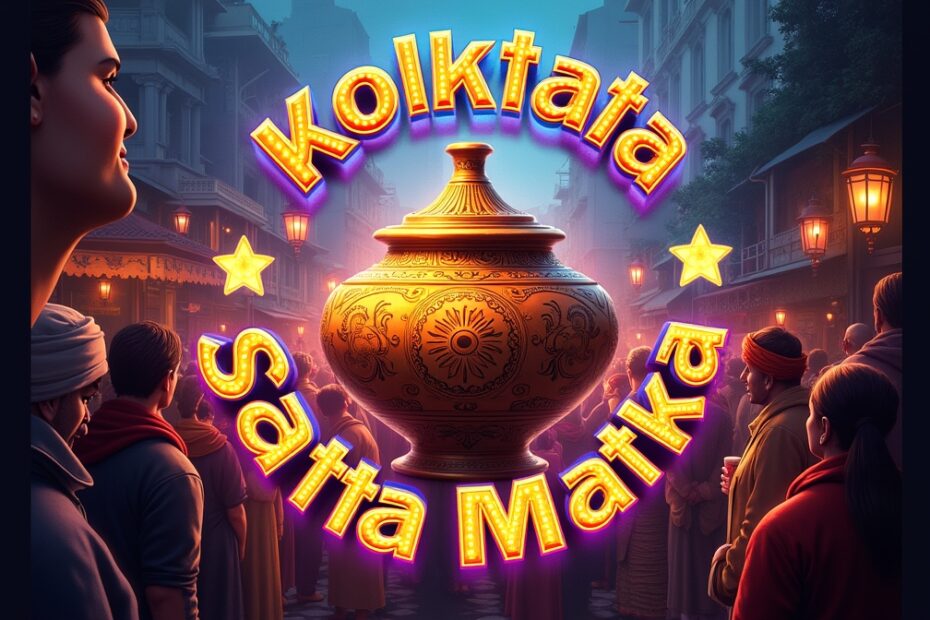
Satta Matka has existed in India for decades, evolving from a simple game of guessing numbers to a full-fledged underground betting network. While many regions have developed their own versions of the game, such as Mumbai Matka, Kalyan Matka, and Worli Matka, Kolkata Satta Matka has gained attention for its unique identity and the cultural footprint it has created. Despite its popularity, it’s important to understand the origin, structure, myths, and risks surrounding it, especially because gambling in India sits in a legally grey and often dangerous zone.
This blog in 96in com site explores Kolkata Satta Matka from a social, historical, and informational perspective not as a guide for gambling, but as an analysis of how such a phenomenon continues to influence communities across India.
What Is Satta Matka
Satta Matka began in the 1960s when people used to bet on the opening and closing rates of cotton transmitted from the New York Cotton Exchange. When that practice became restricted, the game evolved into a number-drawing betting system centered around random results drawn from a matka a pot.
The process involved:
- Drawing numbers from a matka
- Creating a 3-number result
- Declaring “open” and “close” results
- Allowing people to place bets on possible combinations
Over the decades, Matka diversified into different regional systems. One such branch is Kolkata Satta Matka.
The Rise of Kolkata Satta Matka
Kolkata, historically a hub of trade, culture, and local markets, became a fertile ground for Matka networks. Local communities, especially in semi-urban and working-class areas, adopted it as a form of entertainment and quick-money hope.
Kolkata Matka differs slightly in timeline, rules, and the way results are announced, though the core mechanic remains identical to traditional Matka.
Why Kolkata Satta Matka Became Popular
While the concept may seem risky, its popularity grew due to several social-economic reasons:
1. Accessibility in Local Communities
The game did not require large investments. Even small wagers made people feel like they had a chance to win something big.
2. Word-of-Mouth Trust
Communities passed down the game through generations. Many people saw others participating daily, which made it feel “normal.”
3. The Illusion of Quick Money
In areas where people work long hours for limited wages, the idea of turning a small amount into a larger sum overnight became appealing.
4. The Thrill Factor
The suspense and excitement of number draws made it entertaining, even if the risks were high.
5. Transition to Online Platforms
With smartphones and Telegram/WhatsApp spreading rapidly, many illegal betting groups began posting results online, which further boosted attention.
Why People Still Follow Satta Matka Content Online
While gambling is dangerous, people are still curious about Matka for several reasons:
- To understand its history
- To follow social trends
- To satisfy curiosity about cultural phenomena
- To see why it remains popular
- To research the impact of gambling on communities
Blogs, YouTube videos, and discussions often cover Satta Matka for informational and educational purposes, not to encourage participation.
Conclusion
Kolkata Satta Matka in 96in com app is a long-standing part of India’s underground gambling culture, shaped by history, local communities, and the desire for quick returns. However, its risks, illegality, and potential for financial harm cannot be ignored.

